November 8, 2026
Best Halal Restaurants in Tokyo (2026): Safe vs Haram
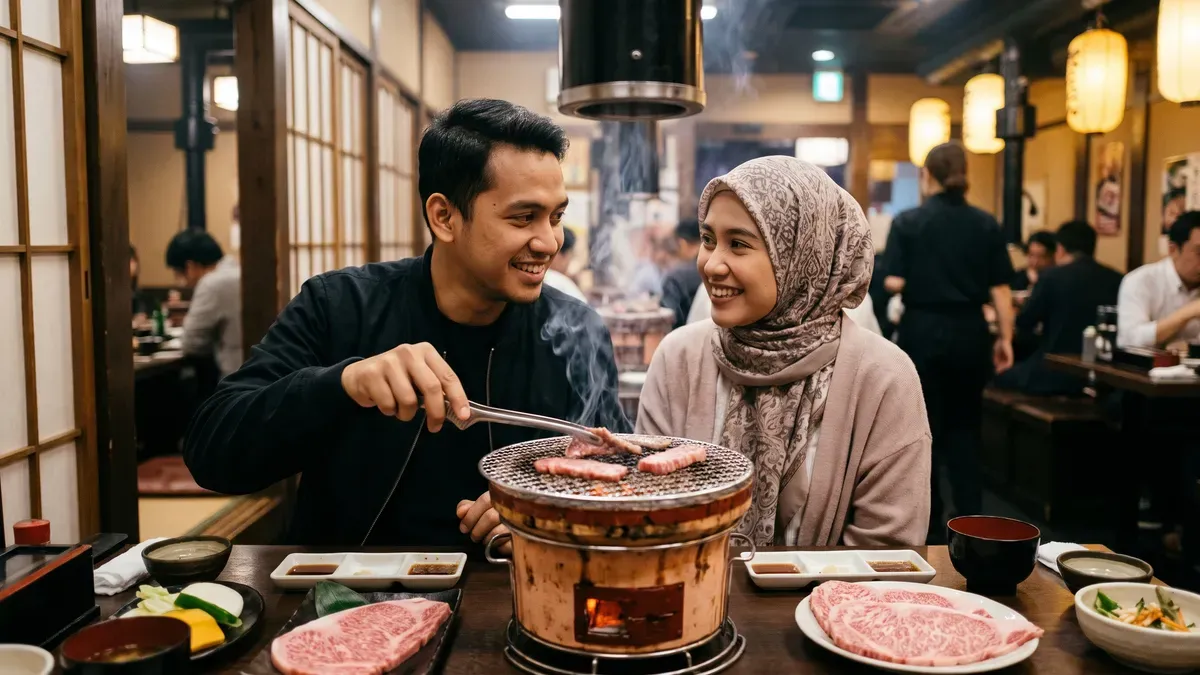
Tokyo offers authentic Halal dining, but the scene is strictly divided between certified venues and high-risk “Muslim-friendly” eateries. You cannot walk into a random Tokyo restaurant and assume the fish or vegetarian dishes are safe.
The overall verdict is Mushbooh to Halal. Verified spots like Halal Wagyu Yakiniku PANGA provide 100% alcohol-free Zabiha meat. However, standard dining carries severe risks of hidden mirin, sake, pork-bone emulsifiers, and shared grills.
The Quick Verdict
When dining in Tokyo, you must know the difference between two distinct setups. Strict Halal venues allow zero alcohol on the premises and operate a dedicated, pork-free kitchen.
Muslim-Friendly venues serve certified Halal meat, but they still sell beer and sake to general patrons. Always inspect the physical certification frame by the register to see which model a restaurant follows.
| Product Type | Verdict | Key Ingredient |
|---|---|---|
| Halal Wagyu Yakiniku PANGA (Ueno) | Halal | Holds JHF 2-Star certification with a fully alcohol-free and pork-free facility. |
| Gyumon (Shibuya) | Mushbooh | Serves certified halal Wagyu cuts but sells alcohol to general customers on-site. |
| Asakusa Sushi Ken | Halal | Food-only halal certification using alcohol-free akazu vinegar and segregated prep. |
| Sankyu Halal Ramen (Asakusa) | Halal | Dedicated halal Wagyu ramen kitchen featuring an on-site prayer room with wudu. |
| Standard Tokyo Ramen Shops | Haram | Heavy reliance on tonkotsu (pork bone) broth, chashu pork, and mirin seasonings. |
For a complete survival strategy covering convenience store snacks and street stalls, check out our guide to Eating Halal in Japan: Pork Risk & Safe Foods (2026) before your trip.
Decoding the Ingredients: Mirin, Sake, and Pork-Broth Risks
Normal Japanese kitchens are full of hidden traps for Muslim diners. Even simple vegetable dishes or grilled fish often contain alcohol and animal fats.
The biggest trap is mirin cooking wine. This is a sweet fermented rice wine containing up to 14% alcohol by volume (ABV). Chefs mix mirin and cooking sake into almost every teriyaki glaze, soy sauce dip, and dashi broth to tenderize meat and mask fishy odors.
Ordinary ramen shops are also completely off-limits. Even if you order a chicken or miso base, cooks frequently add a scoop of pork lard (seabura) or emulsified bone marrow for richness. These animal fats coat the boiling baskets, ladles, and ceramic bowls, creating severe cross-contamination protocols issues.
Sushi rice is another hidden hazard. When inspecting the physical label on commercial sushi vinegar bottles in Japan, you will often find synthetic grain alcohols used as flavor carriers. Certified Halal sushi chefs avoid this by switching to Halal-certified Tamanoi vinegar or traditional aged Akazu sushi vinegar made purely from sake lees without residual intoxicants.
Worried About Hidden Alcohol in Tokyo Food?
Japanese menus rarely translate cooking wine or emulsifiers. Scan Kanji text instantly with Tayib's live OCR camera.
Regional Recipes: Why Japanese Halal Kitchens Differ from Western Halal Spots
In Western cities, many Halal restaurants rely on self-certification or buy meat from a local Muslim butcher. Japan operates on a much stricter, highly documented supply chain.
Authentic Zabiha Wagyu cattle in Tokyo come from specialized domestic abattoirs. Facilities like OS Meat’s Sanda Meat Center in Hyogo and Nishi Awa Beef in Tokushima work directly with international bodies like JAKIM . Muslim slaughtermen perform manual hand slaughter with tasmiya without lethal pre-stunning.
Learn how abattoir stunning rules impact Zabiha integrity in our detailed breakdown of Halal vs. Zabiha: The Truth About Machine Slaughter & Stunning for conscious consumers.
Local culture also shapes how restaurants operate in Tokyo. Many Japanese restaurant owners deeply respect Islamic bans on pork and source strict Halal beef. However, high Tokyo rent and local drinking culture pressure them to sell beer or sake to domestic office workers.
Because of this, organizations like the Japan Halal Foundation (JHF) and the Nippon Asia Halal Association (NAHA) issue specific badges. Some certificates cover the entire premises, while others only certify the kitchen food prep.
To avoid paying luxury prices for uncertified beef, read our investigation on Japanese A5 Wagyu: Why Your ‘$100 Halal Steak’ Might Be Fake before booking your yakiniku table.
Safe Halal Alternatives to Tokyo’s Haram Spots
You do not need to risk your diet to enjoy Tokyo’s famous food culture. Several dedicated restaurants offer authentic A5 Wagyu yakiniku, traditional Edo-mae sushi, and rich ramen using strict cross-contamination protocols.
Here is the complete breakdown of the safest, highest-rated Halal restaurants across Tokyo:
| Restaurant Name | Cuisine & District | Halal Model & Certification | Prayer Facilities & Pork/Alcohol Status |
|---|---|---|---|
| Halal Wagyu Yakiniku PANGA | A5 Wagyu Yakiniku (Ueno/Okachimachi) | Strict Halal (Japan Halal Foundation 2-Star) | 100% Alcohol-Free; No Pork; Prayer mat provided upon request |
| Gyumon | Charcoal Wagyu Yakiniku (Shibuya) | Muslim-Friendly (Malaysia Halal Corp) | Pork-Free Menu; Alcohol served to non-Muslim guests; No prayer room |
| Asakusa Sushi Ken | Edo-Mae Sushi (Asakusa) | Food-Only Halal (Dedicated kitchen tools) | Dedicated 2nd-floor prayer room; Halal vinegar; Alcohol served to patrons |
| Sankyu Halal Ramen | Wagyu Ramen (Asakusa) | Strict Halal (Fully Muslim-compliant kitchen) | Integrated private prayer room equipped with wudu facilities |
| Honolu Ramen | Chicken & Spicy Ramen (Ebisu / Asakusa) | Muslim-Friendly (Halal-certified ingredients) | Pork-free kitchen; Alcohol-free broths; Dedicated prayer space |
Verify Any Tokyo Menu or Food Package with Tayib
When dining out or shopping in Tokyo, standard barcode scanner apps will let you down. Legacy apps rely on static Western databases that do not recognize local Japanese barcodes.
When you walk into a 7-Eleven, Lawson, or FamilyMart, or look at a local restaurant bottle, the packaging uses proprietary Japanese SKUs. Even worse, recipes change seasonally without warning.
Tayib solves this problem by ditching outdated barcode lists. It uses advanced AI Optical Character Recognition (OCR) to read the actual physical text on the ingredient label or printed menu.
Simply point your camera at the Japanese Kanji. Tayib instantly spots hidden threats like 豚肉 (pork), みりん (mirin), and アルコール (alcohol) in real-time. It translates complex Japanese additives across 11 languages and flags animal fats or alcohol carriers based on your personal Madhab settings.
Before landing at Haneda or Narita, find out Which Halal App is Best for Travel? (Foreign Labels & Convenience Stores) to keep your meals compliant on the go.
Dine Safely Across Tokyo with Tayib
Don't let foreign Kanji and hidden pork derivatives compromise your Zabiha diet. Get instant live OCR scanning, 11 language translations, and personalized Madhab verification in your pocket.


Frequently Asked Questions
Can I eat at normal sushi restaurants in Tokyo if I only order fish?
No, regular sushi restaurants are generally unsafe. Traditional sushi chefs mix mirin (sweet rice wine) into their soy sauces and use vinegars that contain alcohol carriers to preserve the sushi rice. Additionally, cross-contamination is common on shared cutting boards and prep knives.
What does "Muslim-Friendly" mean in Tokyo restaurants?
"Muslim-friendly" usually means the restaurant uses halal-certified meat and cooks without pork or mirin. However, many of these venues continue to sell alcoholic beverages to regular customers to sustain their business. Always check whether the kitchen segregates its cookware and grills.
Which Tokyo Halal restaurant is best for authentic A5 Wagyu?
Halal Wagyu Yakiniku PANGA in Okachimachi is the top choice. It holds a 2-Star Halal certification from the Japan Halal Foundation. The entire premises are strictly pork-free and alcohol-free, and they source traceable, whole-cattle Japanese Wagyu.
Do Halal restaurants in Tokyo offer prayer spaces?
Several top-tier halal spots provide prayer facilities. Asakusa Sushi Ken has a dedicated prayer room on its second floor, while Sankyu Halal Ramen in Asakusa offers a private prayer room equipped with wudu washing facilities.
Is vegetarian or vegan ramen automatically Halal in Japan?
No. Vegan and vegetarian dishes in Japan frequently include culinary sake or traditional dashi stocks brewed with mirin to enhance umami. Unless the restaurant explicitly certifies its broth as alcohol-free, vegan food cannot be assumed Halal.
What Japanese Kanji characters indicate pork or alcohol on menus?
Watch out for 豚肉 (pork), 豚骨 (pork bone), ポーク (pork), みりん (mirin), 料理酒 (cooking sake), and アルコール (alcohol). Using an AI OCR tool like Tayib lets you read these instantly without memorizing Kanji characters.
Is Halal meat in Japan hand-slaughtered (Zabiha)?
Certified halal restaurants in Tokyo source meat from dedicated slaughterhouses such as Sanda Meat Center or Nishi Awa Beef. These facilities employ Muslim slaughtermen who perform manual hand slaughter with tasmiya, adhering to strict international Zabiha standards.

Written by Tayib
Founder & Halal Food Analyst
Tayib is dedicated to making Halal consumption transparent and stress-free. Through rigorous ingredient analysis, E-number decoding, and direct contact with brands, we help the Muslim community make informed and safe choices every day.
Read our strict verification methodology