November 4, 2025
Is McDonald's Halal in Germany? The 2026 Truth for Muslim Travelers
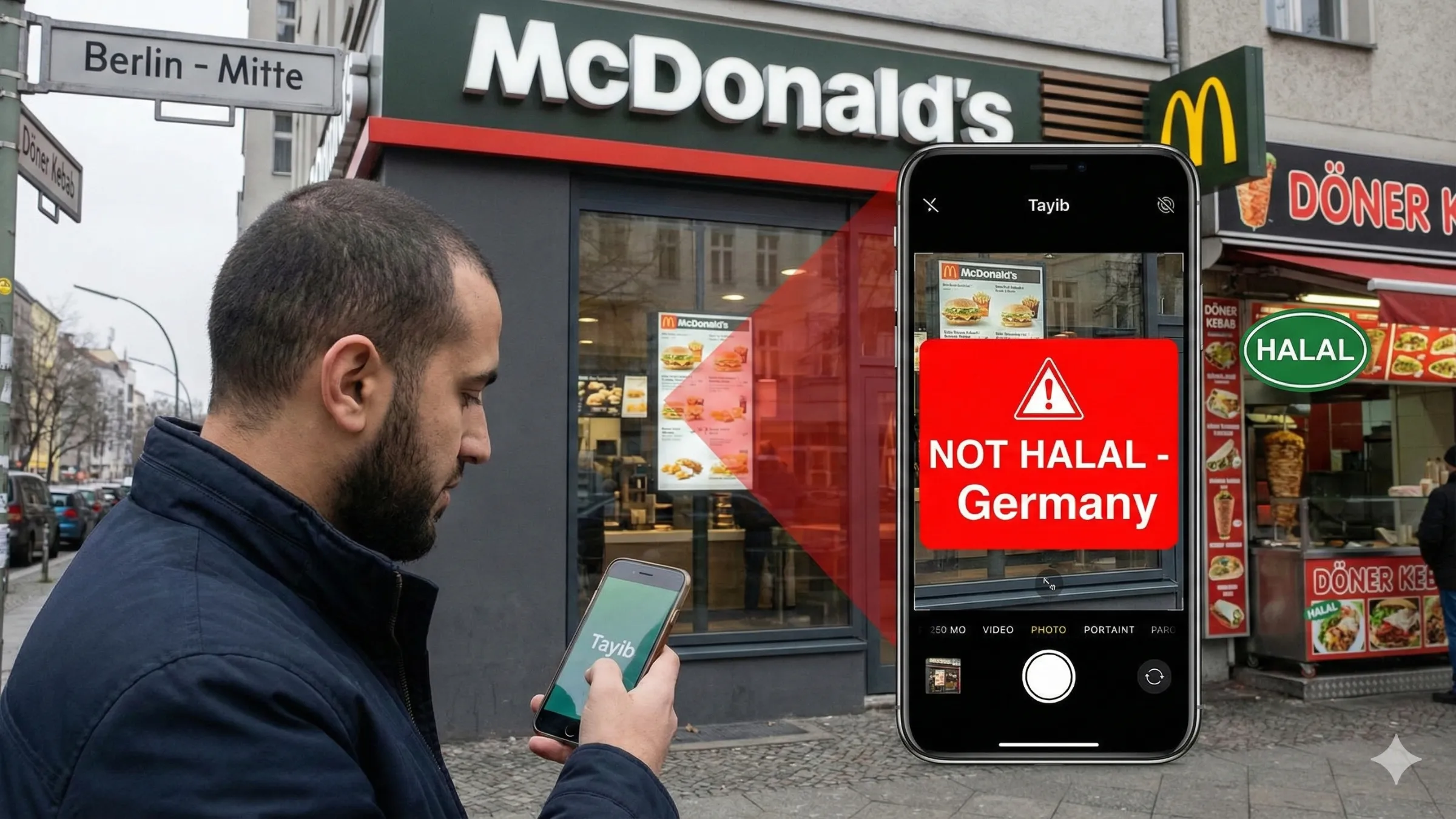
You are walking the streets of Berlin, Hamburg, or Munich. You are hungry, tired of navigating foreign menus, and suddenly, you see a comforting sight: the big yellow arches of McDonald’s.
It’s familiar. It’s cheap. It’s fast. But the burning question stops you at the door: “Is McDonald’s Halal in Germany?”
For Muslim travelers and expats, the fear of accidentally consuming Haram meat is real.
Here is the direct, honest answer based on the current situation in 2026, so you don’t have to guess at the counter.
The Short Answer: No.
Generally speaking, McDonald’s in Germany is NOT Halal.
Unlike in majority-Muslim countries (like Malaysia or Saudi Arabia) or countries with large, concentrated Muslim populations where they have adapted specific branches (like parts of the UK), McDonald’s Germany does not source Halal-certified meat for its standard menu.
The problem with the meat (Beef & Chicken)
The chicken in a McChicken and the beef in a Big Mac sold in Germany are slaughtered according to standard European Union regulations. These methods generally involve stunning before slaughter and do not follow the Islamic rite of Zabiha.
Therefore, the standard meat burgers and nuggets are Haram and should be avoided.
The “Grey Areas”: Fries, Fish, and Veggie
This is where it gets complicated, and depends heavily on your personal level of strictness regarding cross-contamination.
If you ask the staff, “Is this Halal?”, they will likely say no to everything just to be safe. But here is the technical breakdown:
1. The Fries 🍟
The Ingredients: In Europe, McDonald’s fries are typically cooked in 100% vegetable oil (usually rapeseed and sunflower). They do not contain beef flavoring like they once did in the US. The Risk: Cross-contamination. The fryers used for potatoes might be filtered using the same system as fryers used for non-Halal chicken products. For strict observers, this makes the fries Mushbooh (doubtful) at best.
2. The Filet-O-Fish 🐟
The Ingredients: Fish is inherently Halal. The tartar sauce and cheese are usually free of animal rennet or alcohol (though recipes change). The Risk: Shared Oil. The biggest risk is that the fish patty is often fried in the exact same oil vat as the non-Halal Chicken McNuggets or McChicken patties. Most cautious Muslims avoid this due to the high certainty of cross-contamination.
3. The McPlant (Veggie Burger) 🍔
The Ingredients: The patty itself is vegan and therefore Halal by ingredient. The Risk: Shared Grills. The veggie patty is often cooked on the same grill surface where regular beef burgers just sat. Unless the restaurant guarantees a separate cooking area (which is rare in busy German locations), it is contaminated with beef grease.
The Better German Alternative
If you are hungry in Germany, there is almost no reason to risk eating at McDonald’s. Germany has a massive Turkish population and is arguably the capital of Halal fast food in Europe.
Forget the Big Mac and find the nearest Döner Kebab shop.
They are everywhere, they are often open late, they are delicious, and the vast majority are 100% Zabiha Halal (just look for the “Halal” sign in the window to be sure). It’s a far more authentic German experience than McDonald’s anyway!
Summary
If you follow a Halal diet, treat McDonald’s in Germany as a place for a soda or a coffee only. The risk of consuming Haram meat or serious cross-contamination is simply too high for food items.
While fast food can be tricky, supermarkets are even harder to navigate. Don’t guess with labels you can’t read. Download Tayib to scan ingredients in German grocery stores and know for sure what’s in your food.