August 25, 2025
The Modern Muslim Lifestyle & Tech Guide: Living Halal Today
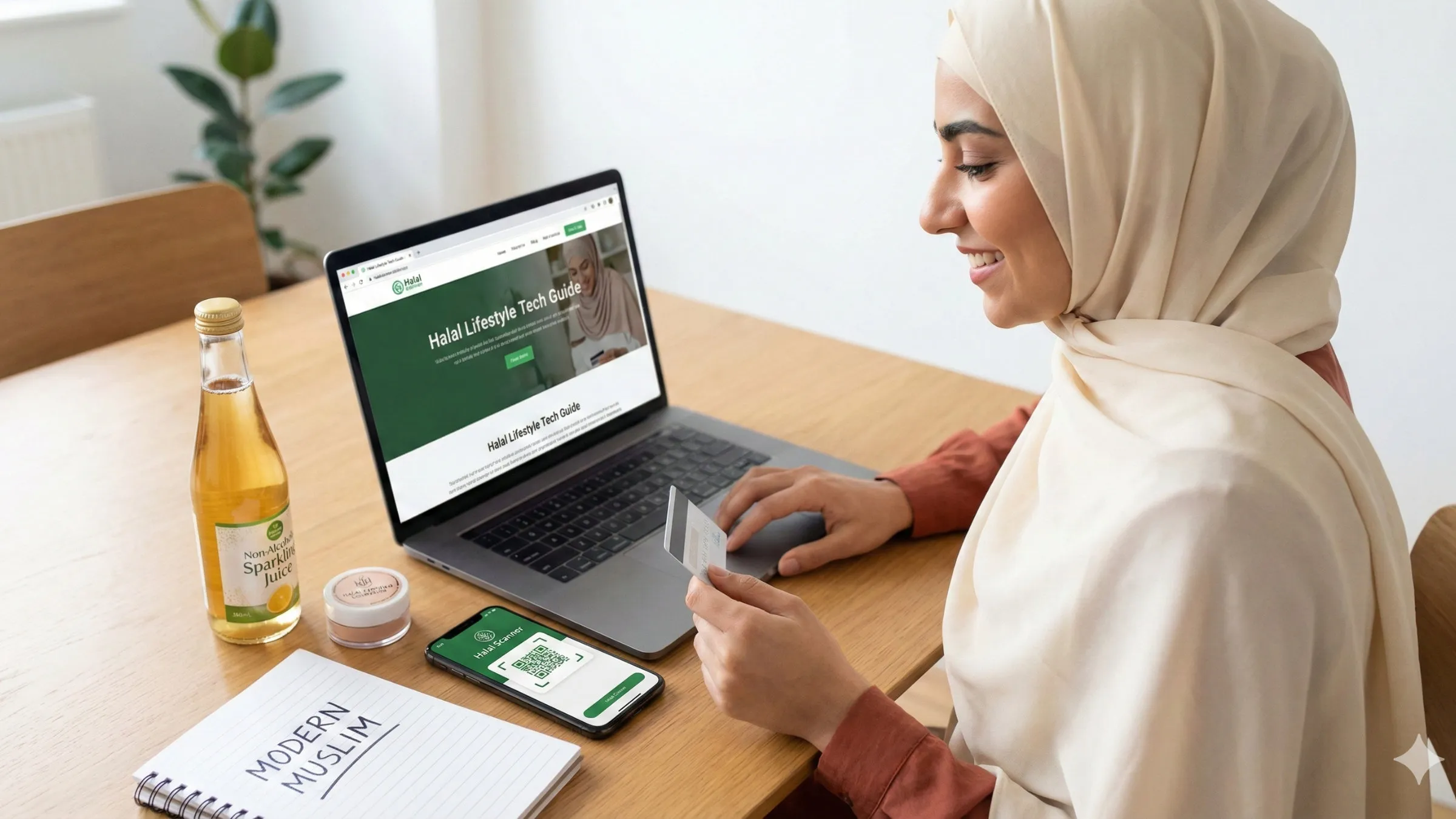
When most people hear the word “Halal,” they immediately think of a logo on a tray of chicken or a street food cart. But as a Muslim, you know that Halal is not just a diet—it is a comprehensive way of life (Deen).
Living Halal in 2026 presents unique, unprecedented challenges. How do you navigate corporate networking events where alcohol is served? Are your cosmetics cruelty-free and devoid of pork fat? What is the Islamic ruling on the latest cryptocurrency? And most importantly, how can modern technology help you manage all of this without feeling overwhelmed?
This hub is your ultimate guide to the modern Muslim lifestyle. We have gathered the answers to your everyday dilemmas, from your investment portfolio to your makeup bag.
Technology is our greatest ally in practicing our faith with ease. Transform your smartphone into your personal Halal assistant. Download the Tayib App today to navigate the modern world with confidence.
The Core of Halal Living: Dietary Laws, Ethics & Certifications
Before we look at the latest tech or luxury trends, we must understand the foundational ethics of our consumption. Practicing Islam today requires understanding the spirit of the law, not just the letter.
To grasp the big picture, start with our comprehensive overview of understanding Halal dietary laws in the modern world. A major part of this modern reality is the ongoing ethical debate around meat production—dive into the details with our Zabiha vs. Machine Slaughter guide.
When you are at the grocery store, you often have to rely on alternative certifications. Knowing how to read labels is a massive advantage. Read our Muslim guide to Kosher symbols 101 to know which Jewish certifications align with Halal standards, and discover why everyday staples aren’t always safe in the shocking truth about supermarket bread.
Halal Beauty, Fashion & Everyday Items
Haram ingredients aren’t just digested; they are applied to our skin and worn on our bodies. The beauty and fashion industries heavily rely on animal byproducts (like pork-derived glycerin or insect-based Carmine).
- Cosmetics: Is your daily routine Halal? We break down the hidden ingredients in lipsticks, foundations, and skincare in our guide: Is your makeup bag Halal?.
- Wearables: The internet is full of rumors about leather goods and tech accessories. We investigate the facts in the Apple Watch pig fat strap rumor.
Modern Socializing: Non-Alcoholic Alternatives & Luxury
Navigating social events, corporate dinners, or luxury celebrations as a Muslim requires tact and knowledge. The market for zero-proof beverages is booming, but the Halal status of “alcohol-free” drinks is highly nuanced.
- Zero-Proof Drinks: Are non-alcoholic wines truly safe to drink? We review the top brands and the Islamic rulings in our guide to non-alcoholic wines like Pierre Zéro and Le Petit Béret.
- Fermentation: What about naturally fermented drinks? Understand the critical energy drinks, kombucha, and non-alcoholic beer rule.
- Fine Dining: For those special occasions, elevate your culinary experience while staying within Islamic boundaries with our Caviar and Truffles Halal guide.
Halal Finance & Wealth Management
A holistic Muslim lifestyle also encompasses how we earn, save, and invest our wealth. The rise of digital currencies and modern trading platforms has left many Muslims wondering how to build wealth ethically (avoiding Riba/interest).
Get a clear, foundational understanding of modern Islamic finance in our Halal investment, Bitcoin, and Forex guide.
The Best Tech & Apps for the Modern Muslim
This is where the modern Muslim lifestyle truly shines. We no longer have to carry physical books of E-numbers or call manufacturers on the phone. The smartphone has revolutionized how we consume.
But with so many apps on the market, which one should you trust?
- We analyzed the market to see which Halal app is most popular and conducted a deep dive in our best Halal apps for iPhone review.
- Curious about the technology behind it? Learn can a phone be used as a Halal scanner and read our step-by-step guide on how to check if something is Halal using an app.
The Ultimate Conclusion: Why Tayib Wins
Most traditional apps rely on static, community-updated barcode databases. If a product is new, imported, or has changed its recipe, the barcode scanner fails.
Tayib approaches the problem differently. By using advanced Optical Character Recognition (OCR) AI, Tayib doesn’t look for a barcode; it reads the actual ingredient text on the packaging. It instantly translates foreign languages, cross-references chemicals against strict Halal data, and delivers an immediate verdict.
Are you ready to simplify your life? Join thousands of modern Muslims and install the smartest, fastest Halal scanner on the market today.
Upgrade Your Halal Lifestyle
Don't compromise your faith or your time. Download Tayib today to get instant, AI-powered Halal verification in the palm of your hand.
Download TayibFrequently Asked Questions about the Modern Halal Lifestyle
Is alcohol-free wine or 0.0% beer Halal?
It depends heavily on the manufacturing process. If the drink was originally brewed as alcoholic beer/wine and had the alcohol removed (dealcoholized), many scholars consider it Haram because it imitates Khamr and may contain trace amounts. If it was never fermented to begin with (like a sophisticated grape juice or malt beverage), it is Halal.
Is Kombucha Halal to drink?
Kombucha is a naturally fermented tea. During fermentation, a tiny amount of naturally occurring alcohol is produced (usually under 0.5%). Most Islamic scholars consider this Halal because it is a natural byproduct, it cannot intoxicate you regardless of how much you drink, and it does not imitate Khamr.
Are all Vegan cosmetics and skincare products Halal?
Vegan certification guarantees the product is free from animal derivatives (like pork fat or crushed insects), making it a great starting point. However, 'Vegan' does not mean alcohol-free. Some vegan toners and skincare products use ethyl alcohol, which some scholars advise avoiding.
Is it Halal to wear perfumes containing alcohol?
Yes, according to the majority of contemporary Islamic scholars. The alcohol used in perfumes, cosmetics, and sanitizers is synthetic or denatured (unfit for human consumption). It is considered physically pure (Tahir) for external use, unlike the alcohol brewed for drinking (Khamr), which is impure (Najis).
What Haram ingredients are hidden in lipsticks and makeup?
The two most common Haram ingredients in makeup are Carmine (E120), a red dye made from crushed insects used in lipsticks and blushes, and Tallow/Glycerin derived from animal fats (often pork or non-Zabiha beef) used for moisture.
How do I know if my leather watch strap or shoes are Halal?
Most leather (cow, sheep, goat, crocodile) becomes physically pure (Tahir) and permissible to wear after the tanning process, regardless of how the animal died. The only exception is pig skin, which is universally considered impure (Najis) by all Islamic schools of thought, even after tanning.
Is investing in Cryptocurrency (like Bitcoin) Halal?
Most contemporary Islamic finance experts consider buying and holding major cryptocurrencies like Bitcoin Halal, as they act as a medium of exchange or digital asset. However, 'staking' crypto to earn guaranteed interest, or investing in meme-coins with no utility (which resembles gambling/Gharar), is generally considered Haram.
What makes a stock market investment Halal?
To invest Islamically, you must avoid companies that profit from Haram activities (alcohol, pork, gambling, weapons, adult entertainment). Additionally, the company must pass financial screening to ensure it does not hold excessive debt or profit primarily from interest (Riba).
Can I rely on Kosher symbols for my everyday groceries?
Kosher (U, K, Pareve) is an excellent filter because it guarantees absolutely no pork and no mixing of meat and dairy. However, Kosher law permits the consumption of alcohol. You must still check the ingredients of Kosher products for vanilla extract, wine reductions, or rum flavorings.
Can a smartphone actually scan food accurately?
Yes, but it depends on the technology. Most apps use the phone's camera to scan a barcode and look it up in a database. If the database is outdated, the scan fails. Tayib uses AI to act as a visual reader (OCR), reading the actual words on the ingredient list just like a human expert would.
Why do traditional Halal scanner apps fail on imported goods?
Barcodes are regional. A barcode for a snack in France is different from the same snack in Canada. If a community-updated app hasn't logged that specific Canadian barcode yet, it cannot tell you if the product is safe. AI text-scanning bypasses this problem entirely.
How does Tayib's AI OCR technology work?
Optical Character Recognition (OCR) technology uses your phone's camera to read the printed text on any packaging. Tayib translates foreign languages instantly and cross-references the chemical names and E-numbers against strict Islamic dietary rules, delivering a real-time Halal or Haram verdict.

Written by Tayib
Founder & Halal Food Analyst
Tayib is dedicated to making Halal consumption transparent and stress-free. Through rigorous ingredient analysis, E-number decoding, and direct contact with brands, we help the Muslim community make informed and safe choices every day.
Read our strict verification methodology