November 7, 2026
Halal Food in Seoul Korea: 2026 Muslim Travel & Food Guide
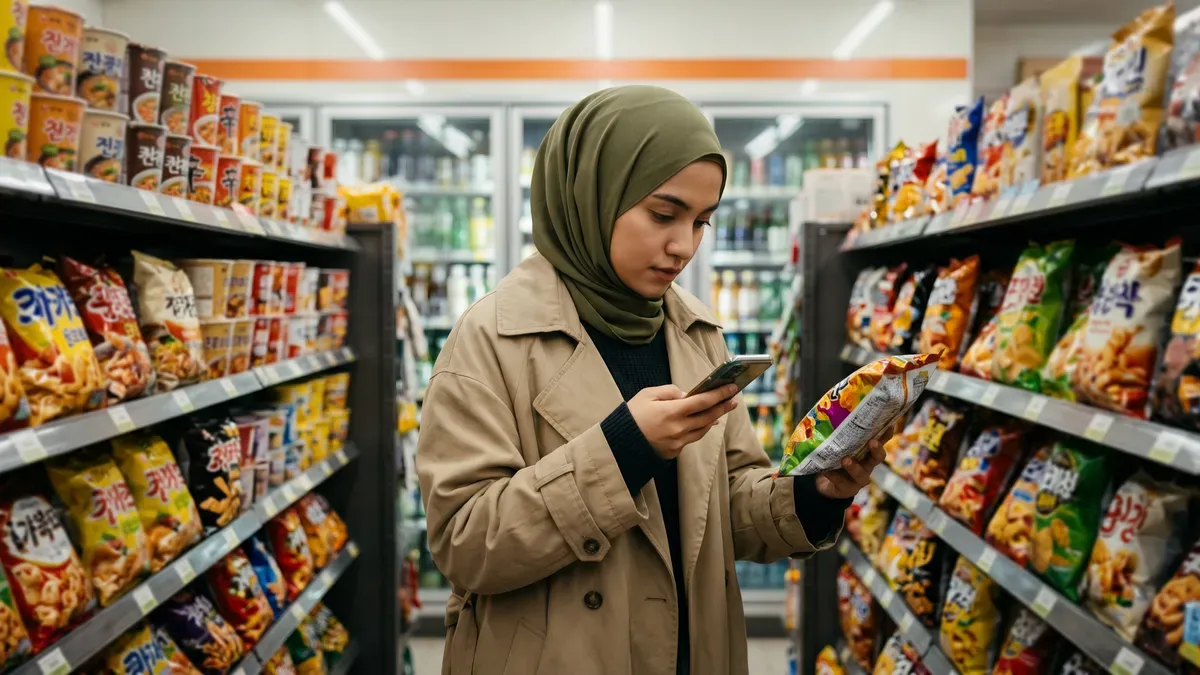
Finding halal food in Seoul Korea is entirely possible, but it takes serious caution. Only a small number of restaurants hold authentic certification from the Korea Muslim Federation (KMF) . Outside of these safe spots, most local dishes use pork broths, non-Zabiha meat, and cooking alcohol.
Here is the truth: everyday convenience store items, street foods, and popular bakery chains frequently hide pork derivatives and animal fats.
Even worse, brand names you trust at home (like Choco Pie or Pepero) use different, non-Halal recipes inside South Korea. To enjoy your trip stress-free, you need practical tips for eating Halal in non-Muslim countries and a reliable way to read Korean labels.
The Quick Verdict: Halal Food Reality in Seoul
Before you book your flights or walk into a local 7-Eleven, you need to know the difference between official Halal certification and simple tourist marketing.
Here is the reality of eating in South Korea’s capital:
| Product Type | Verdict | Key Ingredient |
|---|---|---|
| KMF-Certified Restaurants (Itaewon & Central Seoul) | Halal | Strictly audited by the Korea Muslim Federation; zero pork, verified Zabiha meats, and no alcohol cross-contamination. |
| Domestic Korean Snacks (Choco Pie, Pepero, Strawberry Milk) | Haram | Domestic batches frequently use pork gelatin, unverified E471 emulsifiers, or carmine (E120) dye. |
| KTO 'Muslim Friendly' & 'Pork-Free' Restaurants | Mushbooh | Government tourism categories often permit alcohol sales on-site and cannot guarantee cross-contamination-free cookware or Halal-slaughtered meat. |
| Convenience Store Essentials (Samgak Gimbap, Instant Ramyeon) | Mushbooh | Base seasonings usually contain hidden meat broths, emulsifiers, or shared-line pork processing. |
The Food Science: Hidden Haram Ingredients & Korean Additives
Standing in a Korean grocery aisle can feel overwhelming. Even innocent-looking dairy drinks and sweet breads hide complex animal additives.
Why does this matter? Korean food laws do not require companies to specify if chemical additives come from plants or pigs. Here are the main hidden traps you must watch out for:
Carmine / Cochineal (E120)
This red food dye is extracted from crushed female cochineal insects. In Korea, it is everywhere. You will find it in popular items like Binggrae Strawberry Flavored Milk, red fruit yogurts, and the red imitation crab sticks (surimi) inside convenience store gimbap.
If you are wondering is E120 carmine halal, it depends on your Madhab. It is Haram under the Hanafi, Shafi’i, and Hanbali schools because insects (except locusts) are unlawful. However, the Maliki school and the Indonesian council ( MUI ) permit it under specific transformation (Istihalah) rulings.
Emulsifiers (E471 & E476)
Mono- and diglycerides of fatty acids (E471) keep baked treats, ice creams, and chocolates smooth. Korean labeling laws do not force brands to state whether these fatty acids come from soybean oil or pork tallow. Without an official KMF Halal logo, any domestic snack with E471 remains Mushbooh (doubtful).
L-Cysteine (E920) in Bakeries
Walking past a Korean bakery smells amazing, but commercial dough conditioners are a major trap. Franchise bakeries like Paris Baguette and Tous Les Jours often use L-cysteine (E920) to make bread soft. Commercial E920 is frequently sourced from duck feathers, hog hair, or human hair, making uncertified local breads very risky.
Rennet & Animal Enzymes
Cheese is a huge trend in Korean street food, from cheese tteokbokki (spicy rice cakes) to cheese dakgalbi. Unless the cheese is made with microbial (plant/fungi) enzymes, it likely uses animal rennet taken from the stomachs of non-Zabiha calves or pigs.
The Korean Allergen Box Trap
South Korea’s Ministry of Food and Drug Safety (MFDS) requires clear allergen boxes on food packages. However, many Muslim travelers panic because they confuse direct ingredients with factory warnings.
Here is how to tell the difference:
- 돼지고기 함유 (Contains Pork): This is printed inside the main ingredient box or allergen summary. It means pork is an intentional recipe ingredient. Put the item back immediately.
- 돼지고기 혼입 가능성 있음 (May contain traces of pork): This is a legal facility disclaimer. It means the snack is pork-free by recipe, but it was made in the same factory as pork products.
Panicking Over Korean Food Labels?
Don't let Hangul ingredient lists ruin your appetite. Scan any Korean snack label with Tayib’s live camera to detect hidden pork, alcohol, and questionable E-numbers instantly.
The Supply Chain Paradox: Domestic vs. Export Korean Food
One of the biggest mistakes Muslim tourists make is trusting familiar Korean brands. You might see a snack that is Halal-certified in Malaysia, Indonesia, or the UK, and assume it is safe to buy in Seoul.
Do not fall for this trap. Korean food giants run completely separate production lines for exports versus domestic sales.
- Orion & Lotte Choco Pie: The export versions made for Muslim-majority countries use certified Halal beef gelatin or plant gums. The domestic Choco Pie sold in Seoul convenience stores contains pork gelatin in the marshmallow filling.
- Lotte Pepero: While export packs carry official Halal logos, domestic Korean Pepero sticks use unverified E471 emulsifiers and vanilla extracts carried in alcohol solvents.
- Bakery Chains (Paris Baguette / Tous Les Jours): Both of these famous chains hold strict Halal certifications in Southeast Asia. In South Korea, their domestic branches have zero KMF Halal certification. Local recipes use animal shortenings, lard, and unverified dough conditioners.
How to Verify Instantly with Tayib: Why Barcode Apps Fail in Korea
When you are standing in a busy Myeongdong convenience store, you need fast answers. Many travelers download standard Halal apps before their trip, only to find out they do not work in Seoul.
The Barcode Blind Spot
Traditional Halal scanner apps rely on static barcode databases built in Western or Middle Eastern markets. Korean domestic barcodes change every few months for seasonal promotions.
Because these local barcodes are missing from international databases, standard apps just give you frustrating “Product Not Found” errors. This is the main reason why barcode scanners fail abroad.
The Live Camera OCR Advantage
When comparing the best Halal apps for international travel, Tayib stands out because it does not rely on barcodes. Instead, Tayib uses advanced AI Optical Character Recognition (OCR).
You simply point your phone camera at the Korean ingredient list. Tayib reads the Hangul text directly from the wrapper in real time. Within seconds, it translates complex chemical additive names and separates intentional pork ingredients (함유) from harmless factory warnings.
Personalized Madhab Settings
Every Muslim traveler follows their own conscience and school of thought. With Tayib, you can customize your profile to match your exact Madhab. Whether you avoid Carmine (E120) under Hanafi rules or accept it under MUI guidelines, Tayib gives you a personalized verdict you can trust.
Frequently Asked Questions
Is it hard to find Halal food in Seoul?
Yes, finding certified Halal food outside Itaewon can be challenging. Most Korean dishes use pork bases, shared broths, or cooking wine (mirin). However, by sticking to KMF-certified restaurants, verified seafood spots, and using ingredient scanners for groceries, you can eat comfortably.
Are Paris Baguette and Tous Les Jours Halal in Seoul?
No. While both chains are Halal-certified in countries like Indonesia and Malaysia, their domestic South Korean branches are not KMF-certified. Their breads frequently contain unverified dough conditioners (L-cysteine E920), animal emulsifiers (E471), and animal shortenings.
Can I eat Choco Pie bought at a Korean convenience store?
No. The domestic Choco Pies sold in South Korea contain pork-derived gelatin in their marshmallow layer. Only export versions manufactured for Muslim countries use certified Halal beef gelatin.
What does 'Muslim-Friendly' mean on Korean tourism signs?
The Korea Tourism Organization (KTO) uses 'Muslim Friendly' to indicate that an establishment offers some pork-free dishes. However, alcohol is often sold on the premises, and kitchen utensils or fryers may be shared with non-Halal items.
Is Binggrae Banana Milk Halal in Korea?
Binggrae Banana Milk produced for export has received Halal certification, but domestic bottles sold in Korean convenience stores may use different flavor carriers and shared manufacturing lines. Their Strawberry Milk variant also contains E120 (carmine insect dye).
What does 돼지고기 함유 mean on a Korean snack package?
It translates to 'Contains Pork.' If you see this in the allergen summary box, the product contains pork as an intentional recipe ingredient.
What does 돼지고기 혼입 가능성 있음 mean?
This translates to 'May contain traces of pork' or indicates it was processed in a facility using pork. It is a legally required cross-contamination warning for allergic consumers, not an intentional recipe ingredient.
Can I eat Korean triangle gimbap (samgak gimbap) safely?
You must verify each package carefully. Even plain tuna or vegetable gimbap often contains beef or pork extracts in the rice seasoning, cochineal dye in the imitation crab, or unverified emulsifiers.
Does Korean street food contain alcohol?
Yes. Many street food sauces, marinades, and tteokbokki pastes contain cooking alcohol (cheongju or mirin) to tenderize meat and balance flavor, making independent street food carts a common cross-contamination trap.
Travel Seoul with 100% Food Confidence
From convenience stores in Hongdae to restaurants in Itaewon, Tayib translates and analyzes ingredients on the spot with zero barcode reliance. Set your Madhab and explore Korea stress-free.



Written by Tayib
Founder & Halal Food Analyst
Tayib is dedicated to making Halal consumption transparent and stress-free. Through rigorous ingredient analysis, E-number decoding, and direct contact with brands, we help the Muslim community make informed and safe choices every day.
Read our strict verification methodology